the Amani Foundation
Applied Anthropology for
Family and Ecosystem Resilience.
In 2009, Amani Children’s Home was founded by community members in northern Tanzania in response to a visible crisis: children were being placed in institutions because their relatives lacked the economic stability to keep them at home. When I began working in the community in 2011, Amani Children’s Home provided residential care, education access, and daily support to children for whom it was believed an orphanage offered the best hope for their future. In 2015, I founded the Amani Foundation as a U.S.-based 501(c)(3) to formalize long-term funding and align the work with evidence-based, policy-informed strategy.
Over time, Tanzanian policy reforms and emerging data clarified a new narrative: in many cases, children were not orphaned. They were separated due to poverty, food insecurity, school exclusion, caregiver illness, or livelihood instability. These insights reflect a broader lesson for social welfare and public health interventions. The issue was not that parents “failed” to keep children at home. It was structural vulnerability. We began to ask different questions: What produces childhood multidimensional poverty and family precarity? How do caregivers navigate those constraints? And why might an orphanage become a rational choice in contexts where both families and national policy prefer reunification?
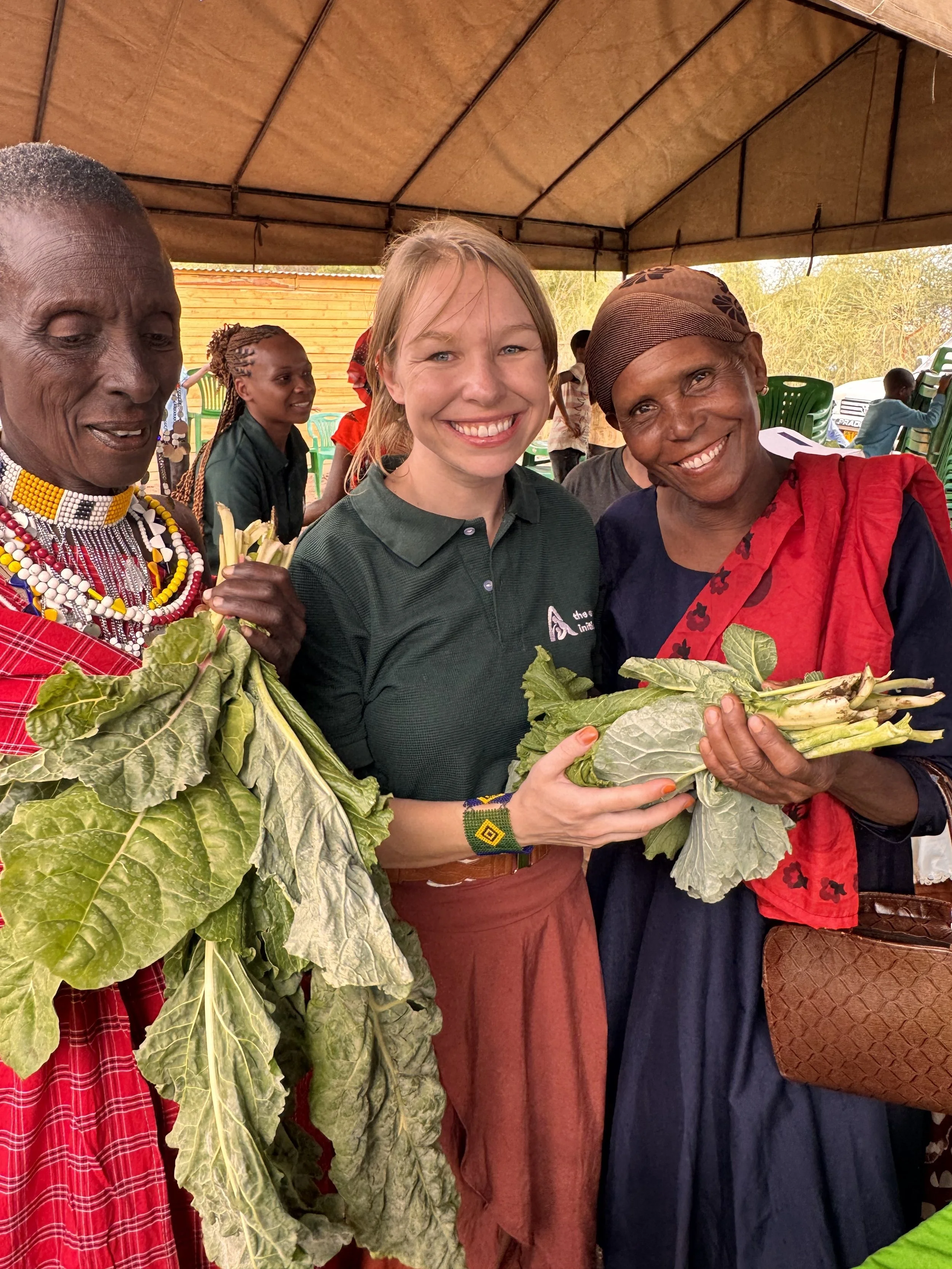
In 2024, I co-founded Amani Initiatives in Tanzania to formally transition the work from residential care to family strengthening. In alignment with Tanzania’s national child welfare reforms and global movements to end unnecessary institutionalization, Amani closed its residential program in 2025. The organization shifted from managing separation to preventing it. Today, the Tanzanian-led Amani Initiatives operates with an integrated systems perspective. Programs link educational access, psychosocial support, regenerative agriculture, and women-led livelihoods. This work places families at the center of the systems that produce both stress and solutions, co-creating pathways for durable change.
This applied work reflects my broader research approach: families do not experience poverty, ecological stress, and caregiving burden in isolation. These pressures interact to both create and constrain adaptive strategies. By addressing livelihoods, land health, and social support together, we test how strengthening socio-ecological resilience can interrupt the poverty–orphanage cycle.


