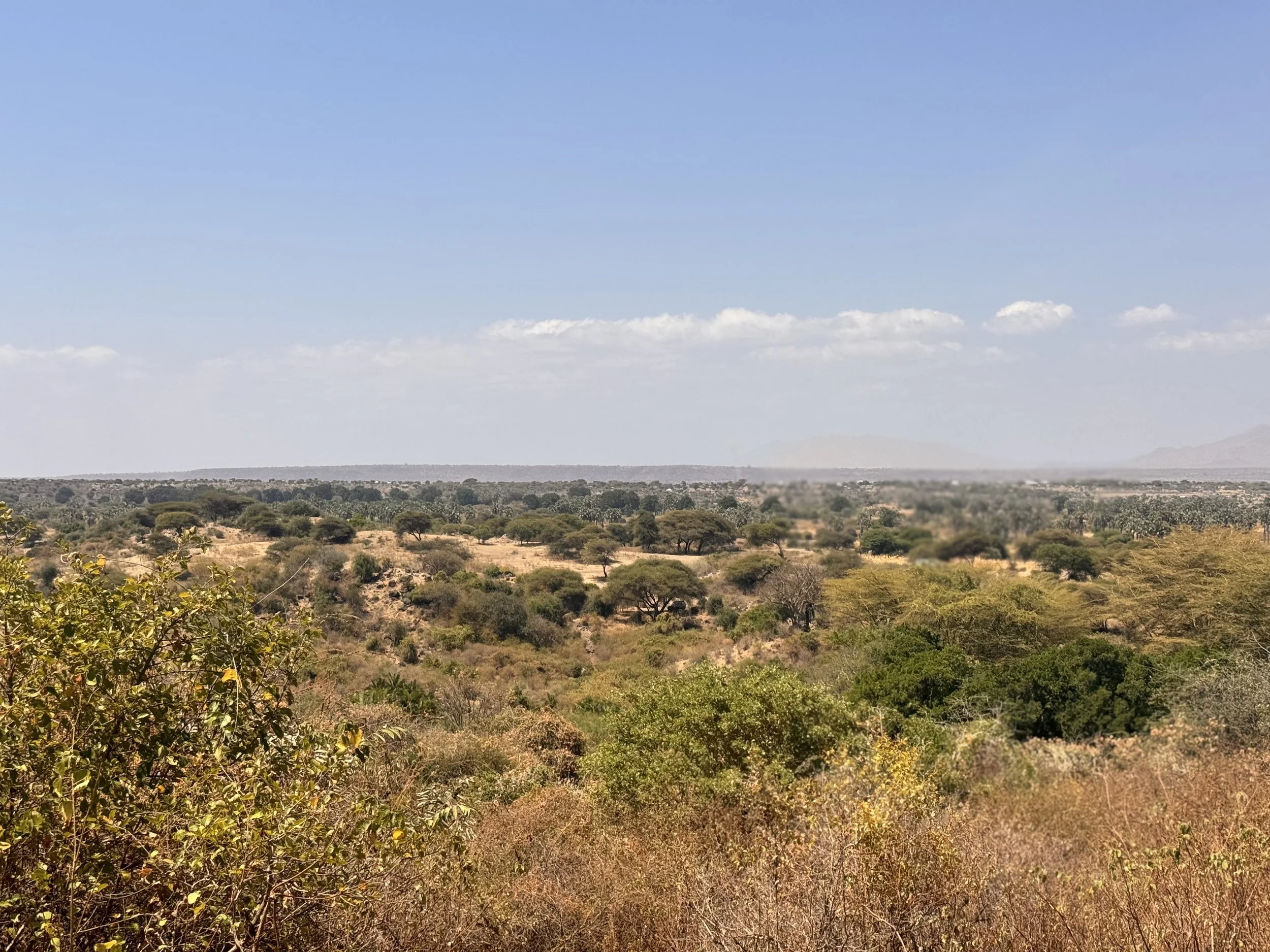
Living in a changing climate isn’t easy.
Natural resources, including wildlife, are vital for household resilience.
-
In northern Tanzania, families living alongside globally significant wildlife ecosystems face growing pressure. Climate change, land use restrictions, fluctuating markets, and limited livelihood opportunities reshape how people access food, income, and stability.
When crops fail or livestock losses mount, families adapt. Wildlife harvest and natural resource use are often part of that adaptation. Yet there are trade-offs. Wildlife use can provide short-term food security or income while also increasing ecological strain and potential zoonotic risk. Families must navigate this balance.
My work in Tanzania, in partnership with RISE — Research and Innovation for the Serengeti Ecosystem — focuses on understanding these real-time decisions so that conservation and public health strategies align with lived reality rather than working against it. We combine ethnographic research, participatory systems mapping, and spatial analysis to identify how ecological stress, household vulnerability, and livelihood strategies interact.
Core questions include:
• How have hunters perceived ecological and social change over time?
• What shapes decision-making in hunting and broader subsistence strategies?
• Which species are harvested for medicinal purposes, and what blind spots does this create for conservation and public health?
• Do diversified livelihoods reduce reliance on illegal hunting?This project has supported two Master’s theses:
• Mariam Richard — Spatial and Temporal Dynamics of Illegal Bushmeat Hunting in the Serengeti–Mara Ecosystem (under review at Conservation Science and Practice)
• Gresha Medka — Cultural Practices and Motivations Underlying the Medicinal Use of Endangered Wildlife in Northern Tanzania (in preparation)This work is made possible through collaboration with the Grumeti Fund, whose long-term investment in community outreach and conservation provides the foundation for rigorous research and practical action in the Serengeti ecosystem.
-

Human Health
In biodiversity-dependent communities, ecosystems structure human possibility. Rainfall patterns determine harvests. Grassland productivity supports livestock. If both fail, wildlife availability often shapes protein access. When ecosystems shift under climate pressure, so do nutritional status, exposure to zoonotic disease, and household vulnerability. My work examines how ecological change restructures risk at the family level, tracing how health outcomes emerge from environmental instability.
-

Ecosystem Health
Human survival strategies also reshape ecosystem functioning. In the Serengeti–Mara ecosystem and the Lake Manyara Biosphere Reserve, I am interested in how selective predation on particular taxa may alter downstream species composition, trophic interactions, and the ecological services those species provide. By linking livelihood-driven hunting patterns to ecosystem surveys, I investigate how human pressure restructures biodiversity over time and what those changes mean for long-term ecosystem viability.